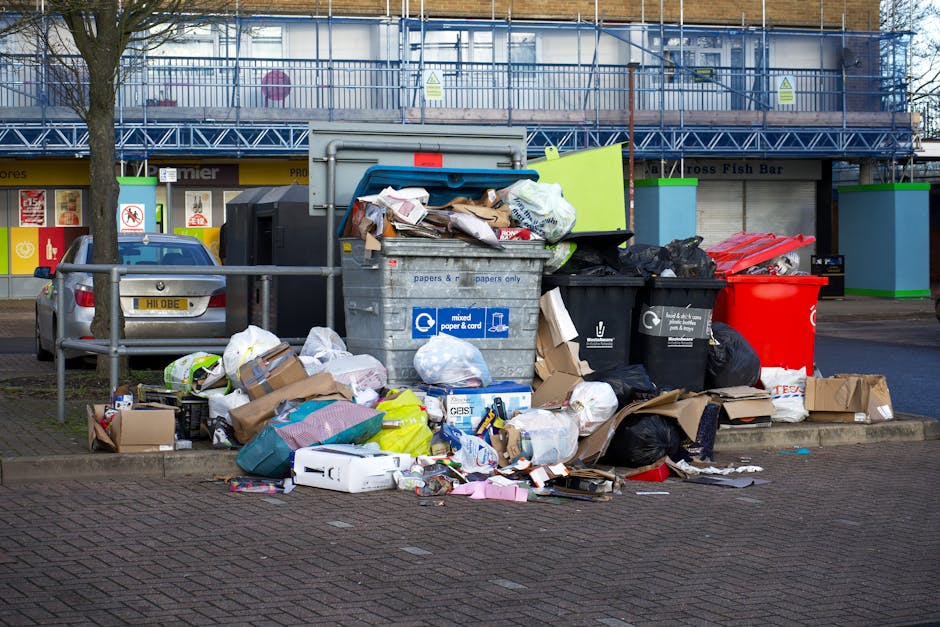
Avoid hidden rubbish removal charges in Gerrards Cross
If you have ever booked a rubbish collection and then felt your stomach drop when the final bill arrived, you are not alone. Hidden fees can turn a simple clear-out into an annoying, expensive job, especially when you are trying to get rid of garden waste, old furniture, renovation debris, or a full houseful of clutter. In Gerrards Cross, where properties range from compact cottages to larger family homes, rubbish removal should feel straightforward. It should not feel like detective work.
This guide shows you how to avoid hidden rubbish removal charges in Gerrards Cross by spotting vague pricing, checking what is included, and asking the right questions before a van even turns up. You will also find a practical checklist, a simple comparison table, and the kind of real-world advice that helps you make a calm, informed decision. Truth be told, a few minutes of checking can save a lot of hassle later.
Why Avoid hidden rubbish removal charges in Gerrards Cross Matters
Price surprises in rubbish removal usually happen for one of three reasons: the quote was too vague, the load was misdescribed, or extra work was added on arrival. None of that is ideal. In a place like Gerrards Cross, where people often need quick, tidy, reliable service, unclear charging can spoil what should be a simple job.
Hidden charges matter for more than just the money. They affect trust, timing, and whether the job gets finished properly. If a company arrives and suddenly says your waste is "heavier than expected", "harder to access", or "mixed waste" and therefore costs more, you are put on the spot. You may feel stuck. Most people just want the clutter gone, not a debate on the driveway.
There is also the practical side. A rubbish removal plan that looks cheap at first can become poor value if it excludes labour, loading time, VAT, disposal fees, or accessibility issues. A clear quote, by contrast, makes it easier to compare options fairly. That is the real aim here: not just to find the lowest number, but to understand what that number actually means.
For broader local context and service planning, you may also find it useful to look at related pages such as general rubbish and waste services, skip hire options, and house clearance support if your clear-out is bigger than a few bags.
How Avoid hidden rubbish removal charges in Gerrards Cross Works
At its simplest, avoiding hidden rubbish removal charges means treating the quote process as a small fact-finding exercise. You describe the waste clearly, ask what is included, confirm any possible extras, and make sure the final price is based on the same assumptions you expect on collection day.
A reputable provider will usually want to know:
- what type of waste you have
- rough volume or number of items
- whether there are stairs, narrow gates, or parking issues
- if the waste is mixed or separated
- whether heavy materials are involved, such as soil, rubble, tiles, or plasterboard
That detail matters because rubbish removal is not priced in the same way as a simple flat-rate shop purchase. The cost can depend on load size, weight, labour, time on site, disposal category, and access. If a quote ignores those things, the risk of an unpleasant surprise goes up fast.
There is a very normal, human reason this catches people out. You might be standing in a hallway with an old wardrobe, two broken chairs, a box of random renovation debris, and a half-full shed, thinking, "Well, it's just junk, isn't it?" Then the collector sees it and notices the extra lifting, heavier items, or mixed load. Same pile, different pricing reality. Annoying, yes, but predictable if you know what to ask.
If you are comparing collection methods, a guide to rubbish removal in general can help you understand what a full-service collection should include, while office clearance services may be relevant for business waste or bulky commercial items.
Key Benefits and Practical Advantages
Getting pricing right does more than protect your wallet. It makes the whole process smoother from start to finish.
- No awkward surprises: you know the likely cost before the van arrives.
- Better comparison shopping: quotes are easier to judge when they all cover the same things.
- Smoother collection day: fewer arguments, fewer delays, less stress.
- Faster decision-making: you can book with confidence instead of hesitating.
- Cleaner results: the provider is less likely to rush, cut corners, or add last-minute complications.
There is also a quiet benefit people often overlook: clearer pricing usually signals a more organised service overall. A company that is precise about access, labour, waste type, and disposal tends to be more precise about scheduling too. That matters if you are trying to line up a move, a renovation, or a garden project on a tight timetable.
Expert summary: the cheapest quote is not always the best quote. The best value is usually the one that explains exactly what is included, what could change the price, and how those changes will be handled before anyone starts lifting bags.
For heavier or mixed loads, a dedicated scrap metal collection service may also be relevant, especially if your clear-out includes old metal fittings, frames, or appliances.
Who This Is For and When It Makes Sense
This approach is for anyone who wants a rubbish removal service without the sense that they are being nudged into extra fees after the fact. In Gerrards Cross, that often includes:
- homeowners clearing lofts, garages, sheds, or spare rooms
- tenants moving out and needing a quick tidy-up
- landlords between lets
- builders or renovators dealing with site waste
- gardeners and homeowners with branches, soil, and green waste
- small businesses disposing of unwanted furniture or office clutter
It makes sense whenever the waste is more than a handful of bags, or when the job is likely to involve bulky items, awkward access, or time pressure. That is where hidden charges tend to creep in. A little ambiguity becomes expensive quickly.
If you are unsure whether your job is more suitable for collection or a container-based option, the page on 2 yard skips and 8 yard skips can be a useful starting point for understanding volume and fit. Smaller projects and larger clear-outs simply behave differently. Obvious, perhaps, but easy to miss in the rush.
Step-by-Step Guidance
Here is a simple process to help you avoid hidden rubbish removal charges in Gerrards Cross. Nothing fancy. Just the basics done properly.
- List everything you want removed. Be specific. Say "double mattress, broken desk, 12 bin bags, old microwave, and mixed garden waste" instead of "a few bits".
- Take photos from different angles. Wide shots help, but close-ups are useful too if there are heavy or unusual items.
- Check access conditions. Note narrow side paths, steps, basement access, parking restrictions, or long carries from the road.
- Ask what the price includes. Loading, labour, transport, disposal, and VAT should all be clear. If not, ask again.
- Ask what could increase the price. Heavy waste? Extra volume? Waiting time? Restricted access? Get the trigger points named upfront.
- Confirm the disposal method. Mixed waste, recyclable materials, soil, rubble, and electrical items can be handled differently.
- Request written confirmation. A message or quote summary is better than a vague phone conversation. Not glamorous, but useful.
- Keep the job site honest. If you add more waste on the day, mention it before loading begins.
A tiny bit of prep saves a lot of confusion. And yes, it feels a bit over-cautious at first. Then collection day comes around, the driver sees exactly what was agreed, and suddenly everyone is relaxed. Funny how that works.
Expert Tips for Better Results
Small details make a big difference in rubbish removal pricing. Here are a few practical habits that often separate a fair experience from a frustrating one.
1) Describe waste by type, not just by room
"Bedroom rubbish" tells a provider very little. "Old wardrobe, three drawers, fabric chair, and six black bags" is much more useful. Weight and handling vary a lot, even if the pile looks similar from across the hall.
2) Separate unusually heavy items
Bricks, paving, soil, tiles, and plasterboard can affect pricing more than people expect. If your pile includes dense material, say so early. It is far better to have an honest quote than a last-minute row on the driveway.
3) Be clear about timing
If you need same-day collection or a narrow collection window, mention it. Urgency can change what is possible, and sometimes it changes the rate too. That is normal. What is not normal is pretending it does not matter.
4) Ask about minimum charges
Even small jobs can carry minimum service costs. That is common in the industry. Knowing this upfront helps you decide whether to bundle a few tasks together, or save them for a single collection.
5) Watch for vague phrases
Words like "from", "subject to inspection", and "extra if needed" are not always red flags, but they do mean you should ask for specifics. The more precise the quote, the better.
A sensible provider should be comfortable answering plain-English questions. If they get twitchy when you ask what the quote covers, that tells you something. Maybe not everything, but enough.
For recurring business waste or longer-term site clean-ups, it can help to review commercial waste services and skip hire as comparison points. Different jobs, different economics.
Common Mistakes to Avoid
The biggest mistake is assuming all rubbish removal quotes mean the same thing. They often do not. Not even close.
- Booking on price alone: a low headline figure can hide labour, waste type, or access surcharges.
- Underestimating the load: the pile is usually bigger once it is all brought together. Always.
- Forgetting access issues: a long carry, parking problem, or tight staircase can change the job.
- Mixing waste types without saying so: green waste, furniture, rubble, and electricals can be treated differently.
- Not confirming VAT: if VAT is relevant, it should be stated clearly in the quote.
- Assuming heavy items are "just rubbish": dense materials can be priced differently for disposal and handling.
One classic scenario: a homeowner books a "small load" removal, then adds a dismantled wardrobe, some broken fencing, and a bag of builder's rubble from the patio. The truck arrives, the volume is still manageable, but the weight has changed the whole job. That is where disputes start. Better to avoid that dance altogether.
Tools, Resources and Recommendations
You do not need special software or complicated systems to protect yourself from hidden charges. A phone, a notepad, and a camera are usually enough. Still, a few simple tools make the process easier.
- Photo set: take clear pictures of the waste from multiple angles.
- Short item list: write down each bulky item and rough bag count.
- Access notes: measure narrow side passages, gates, or stair widths if needed.
- Quote comparison sheet: compare what each provider includes, not just the headline total.
- Calendar reminder: make a note of the collection time and any access instructions.
If you are dealing with a larger home clearance, it may help to review garage clearance services and garden clearance options. These pages are particularly useful when waste is spread across different parts of the property.
Practical recommendation: keep one simple rule in mind - if a quote is not specific enough to repeat back in one sentence, it is probably not specific enough to trust fully.
Law, Compliance, Standards, or Best Practice
When rubbish is removed, there is more at stake than convenience. In the UK, waste should be handled by a responsible carrier and taken to appropriate disposal or recovery facilities. You do not need to become a legal expert, but you do need to be careful. A low price is never worth trouble caused by poor handling or fly-tipping.
Best practice is to work with a provider who can explain how waste is collected, separated, and disposed of in line with normal industry expectations. If you are a homeowner, landlord, or business owner, keep records of what was removed and who collected it. That is just sensible housekeeping, and it can help if questions come up later.
It is also worth remembering that some materials need extra care. Electrical items, mattresses, plasterboard, and certain building materials may have different treatment requirements. You do not need every technical detail. You just need a company that asks the right questions and gives a clear answer, without faffing around.
For compliance-sensitive or business-heavy jobs, the page on business waste removal can help you think through the added record-keeping and service expectations that commercial waste often brings.
Options, Methods, or Comparison Table
Not every clear-out should be handled the same way. The right method depends on volume, urgency, waste type, and how much effort you want to put in yourself.
| Method | Best for | Possible hidden cost risk | What to check |
|---|---|---|---|
| Full rubbish removal service | Mixed household waste, bulky items, quick clear-outs | Extra labour, access charges, heavy waste uplift | Load size, waste type, access, VAT, labour included |
| Skip hire | DIY jobs, ongoing renovations, larger volumes | Permit costs, hire extension, prohibited items | Skip size, permit needs, hire length, filling rules |
| Specialist collection | Metal, garden waste, office waste, specific waste streams | Special handling or category-based pricing | What type of waste is accepted and how it is priced |
If you are not sure which route suits you, think about convenience first. A collection service may cost a bit more than hiring a skip, but it can save you lifting, permit headaches, and time spent organising the load. On the other hand, if you are doing a week-long renovation, a skip might be the calmer choice. Depends on the job, really.
Case Study or Real-World Example
A typical Gerrards Cross scenario goes like this. A family clears out a garage after years of "we'll sort that later" items piling up. There are broken shelves, old paint tins, a couple of chairs, garden cuttings, and a few bags of mixed clutter from the loft. At first glance, it looks like a modest job.
Then the details emerge. The garage is down a narrow side path. Parking is tight. Some of the waste is heavier than expected. And one or two items need extra handling because they are awkward and dusty, the sort of thing that makes your sleeves look tired just by standing near them.
What changed the outcome was preparation. The homeowner took photos, listed the heavy items separately, and asked for confirmation of what was included. The quote was not the absolute lowest, but it was clear. Collection day was calm. No surprise uplift. No back-and-forth. Just a straightforward job done properly.
That is the model to aim for. Not perfection. Just clarity.
Practical Checklist
Use this checklist before you book rubbish removal in Gerrards Cross.
- Have I listed every item or waste type clearly?
- Have I taken photos of the load and access route?
- Do I know whether the price includes labour, transport, and disposal?
- Have I asked about VAT or any minimum charge?
- Have I mentioned stairs, narrow paths, parking limits, or long carries?
- Have I identified heavy waste such as soil, rubble, or tiles?
- Is the quote in writing or clearly summarised in a message?
- Do I know what would count as an extra charge?
- Am I comparing like-for-like service, not just headline numbers?
- Do I feel comfortable that the provider answered my questions clearly?
If you can tick most of those boxes, you are in a much better position. Simple as that.
Conclusion
To avoid hidden rubbish removal charges in Gerrards Cross, focus on clarity before collection day. Describe the waste properly, confirm what is included, ask about likely extras, and compare quotes on the same basis. The goal is not to outsmart anyone. It is to make sure everyone starts with the same understanding.
In practice, that means fewer awkward surprises, less stress, and a better chance of getting the job done neatly and on time. Whether you are clearing a loft, tidying a garden, or handling a more complex property clearance, good pricing transparency is worth its weight in gold. Well, maybe not literally. But you know what I mean.
If you want a smoother experience, take five minutes to get your details straight before you book. It really does make a difference.
Get a free quote today and see how much you can save.
And if you are planning a larger clearance, it may help to explore the wider service pages on house clearance, garden clearance, and garage clearance so you can choose the most practical option for your situation.
Frequently Asked Questions
How do I avoid hidden rubbish removal charges in Gerrards Cross?
Give a full description of the waste, share photos, ask what is included in the quote, and confirm any possible extras before booking. Written confirmation helps a lot.
Why do rubbish removal prices change after a quote?
Prices can change if the load is heavier, larger, harder to access, or made up of mixed waste that needs different handling. Good providers explain these triggers in advance.
What should a rubbish removal quote include?
A clear quote should normally cover labour, loading, transport, and disposal. If VAT, access issues, or minimum charges apply, those should be stated clearly too.
Is the cheapest rubbish removal quote usually the best?
Not always. A cheap headline price can hide extras, especially if the service is vague about access, waste type, or disposal. Compare the whole offer, not just the number.
Do I need to mention stairs or a long driveway?
Yes. Access details can affect labour time and the ease of loading, so they are worth mentioning upfront. It avoids awkward conversations later.
What kinds of waste are most likely to create extra charges?
Heavy materials like soil, rubble, tiles, and plasterboard are common examples. Mixed loads and awkward bulky items can also change the price.
Should I send photos before booking?
Yes, if possible. Photos help the provider judge volume, weight, access, and the mix of materials more accurately than a verbal description alone.
Is rubbish removal better than skip hire?
It depends on the job. Rubbish removal is often easier for quick clear-outs and bulky items, while skip hire can suit ongoing projects and larger DIY jobs.
Can hidden charges happen with small jobs too?
Absolutely. Even small jobs can involve minimum charges, access issues, or heavier waste than expected. Small does not always mean simple.
What is the best way to compare two rubbish removal quotes?
Check that both quotes cover the same waste type, volume, labour, disposal, and any access complications. If one quote is much vaguer, it is hard to compare fairly.
What if I add more waste on the day?
Tell the provider before loading starts. Extra waste may still be possible, but it should be discussed before anyone begins the work.
How can I tell if a provider is trustworthy?
They should answer questions clearly, explain what is included, and be transparent about possible extras. A straightforward manner is usually a good sign. No drama, no dodging.